Prehistoric Sardinian Landmark

Corbeddu Cave

Explore the oldest human history in the Mediterranean, hidden deep within the limestone cliffs of the Lanaitho Valley.

Photo by Francesco Ungaro / Pexels

Featured Sardinia Excursions

Select a verified local guided experience to explore the historic towns, coastal wonders, and rugged mountain paths surrounding central Sardinia.

Cagliari boat tour Viator Vetted From €63.43

Cagliari Boat Tour: Swim, Snorkel & Aperitif

★ 4.79 (438 reviews) ⏱ 4 hours
  • Five scenic swim stops along the coast
  • Snorkeling equipment included
  • Traditional Sardinian aperitif on board
Sardinian Ravioli Cooking Class Viator Vetted From €92.80

Sardinian Pasta Cooking Class & Wine

★ 4.88 (25 reviews) ⏱ 4 hours
  • Learn to fold traditional Sardinian pasta
  • Wine pairings with local Cannonau
  • Full meal hosted in an authentic local home
Canyoning in Rio Pitrisconi Viator Vetted From €93.97

Canyoning in Rio Pitrisconi & Monte Nieddu

★ 4.96 (95 reviews) ⏱ 4 hours
  • Abseil down spectacular granite cliffs
  • Jump into crystal natural pools
  • Full technical gear and expert speleo guide
Valley Sanctuary

The Speleological Heart of Barbagia

Grotta Corbeddu is an extraordinary karst cavity situated in the Oliena municipality, Nuoro province. The cave is positioned inside the limestone valley of Lanaitho. It is an archaeological archive of western Europe, famous for containing the oldest human skeletal remains discovered on a Mediterranean island. This cave has preserved layers of sediment detailing human and animal occupation from the Upper Paleolithic era through the Bronze Age. The archaeological value of this cave is recognized globally.

The cave bears the name of Giovanni Corbeddu Salis, a legendary 19th-century Sardinian bandit who used the deep chambers as a secure refuge. The location combines dramatic natural limestone formations with human history. Visitors walk through cavernous chambers where scientists discovered fossilized bones of extinct animals, such as the deer Megaloceros cazioti, and the ancient stone tools crafted by the island's earliest human inhabitants. These findings prove that human groups adapted to island environments much earlier than previously assumed.

The Lanaitho Valley surrounds the cave with steep cliffs and thick forests of holm oak. It is a place where nature remains undisturbed. The local cooperative Cooperativa Corrasi conducts guided educational walks through the cave system and explains the geological forces that created these natural vaults.

Prehistoric Preservation

Excavations led by international researchers revealed that Paleolithic humans occupied this cave around 13,500 BC. The dry, alkaline environment of the karst interior prevented the decay of organic material, and this preserves an unmatched record of prehistoric Mediterranean migration. The ancient sediment layers continue to yield data for ongoing research campaigns.

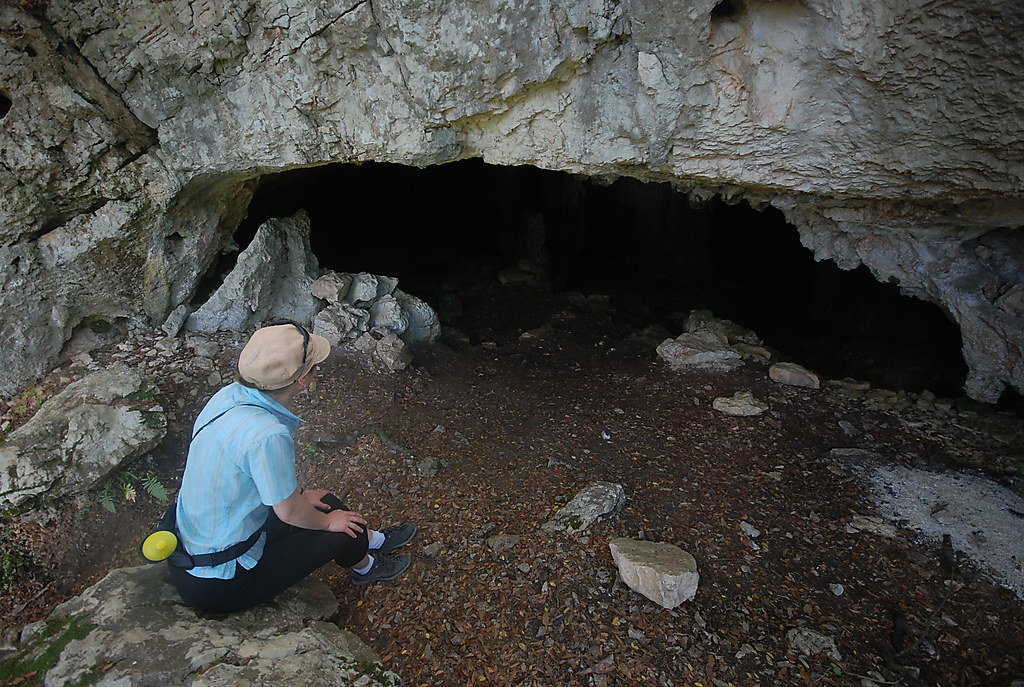
Corbeddu Cave Entrance Landscape
Photo by vasile23 / Openverse

Chronology of Lanaitho Prehistory

Grotta Corbeddu is a multi-layered historic document. The styled timeline below indicates the key periods of human activity and archaeological discovery inside the cave.

c. 13,500 BC

Upper Paleolithic Colonization

Early hunter-gatherers occupy the cave entrance. They manufacture stone tools and process the bones of Megaloceros cazioti, an extinct deer endemic to Sardinia and Corsica. This is the oldest human bone layer recorded on any Mediterranean island.

c. 6,000 BC

Early Neolithic Transition

Karst chambers are used for shelter and ritual activity by early agricultural groups. Archaeologcial layers yield cardial impressed pottery fragments, flint blades, and obsidian tools sourced from nearby Mount Arci.

c. 1,600 BC

Bronze Age Trepanation

Nuragic communities construct settlements nearby. The skull of a Bronze Age woman, named Sisàia, is buried nearby. The skull displays healed surgical trepanation holes, which shows advanced prehistoric medical practices.

1880–1898

Bandit King Sanctuary

Giovanni Corbeddu Salis, a popular bandit who took from the rich to help the poor, evades municipal police forces by hiding in the cave. The natural chambers provide water from active karst filtration points.

1982–1990

Scientific Excavation Campaigns

Speleologists and archaeologists initiate structured excavations inside the cave. They discover Upper Paleolithic human fossils, extinct fauna remains, and prehistoric hearths. This changes the understanding of Western Mediterranean colonisation.

Karst Climate & Seasonal Prep

The limestone microclimate of the Lanaitho Valley is highly distinct. In summer (June to August), average daily high temperatures reach 83°F to 90°F (28°C to 32°C). The interior of Corbeddu Cave maintains a cool, constant temperature of around 60°F (15°C) year-round, which is a natural shield from the intense summer heat. Visitors must bring warm layers even during the hottest months.

November is the wettest month of the year, with an average of 3.55 inches of rain. During autumn and winter, heavy precipitation activates the underground karst aquifers. This filters water into the valley systems and occasionally reactivates the subterranean rivers that flow through the nearby Sa Ohe cavern. This process can flood the access tracks and make sections of the valley impassable.

Understanding these environmental changes is key to safety. During dry summer weeks, the risk of sudden downpours is low, but high temperatures demand careful water planning. The valley has no cell reception, so travelers must prepare their route maps and check weather alerts before departing from Oliena.

View Safety Guidelines

Oliena Live Weather

Querying meteorological data...

Note: karst trails can become slippery immediately after heavy showers. Please plan accordingly.

Visitor Pin & Administrative Details

Spatial Coordinates

The cave entrance is located at the exact geographic coordinates. This is the exact digital point for offline navigators:

WGS84: 40.255278, 9.486111

Launch Google Maps

Site Management

Administrative operations and guiding services are managed by a local cooperative. They handle site access and group reservations:

Cooperativa Corrasi
Campo Base Lanaitho, Oliena, Italy
Phone/WhatsApp: +39 339 7126111
Official Site: lanaitho.com

2026 Ticket Summary

Tickets can be acquired at the Campo Base office. Dual currency prices are listed below for convenience:

  • • Single Entry (Cave only): €5.00 (~$5.45)
  • • Reduced (Under 12/Over 65): €3.00 (~$3.27)
  • • Cumulative Lanaitho (3 Sites): €10.00 (~$10.90)
  • • Cumulative Reduced: €7.00 (~$7.63)